Jonathan Griffin

Criticism and essays on art and culture

Month: June, 2020

Betye Saar

cri_000000440545
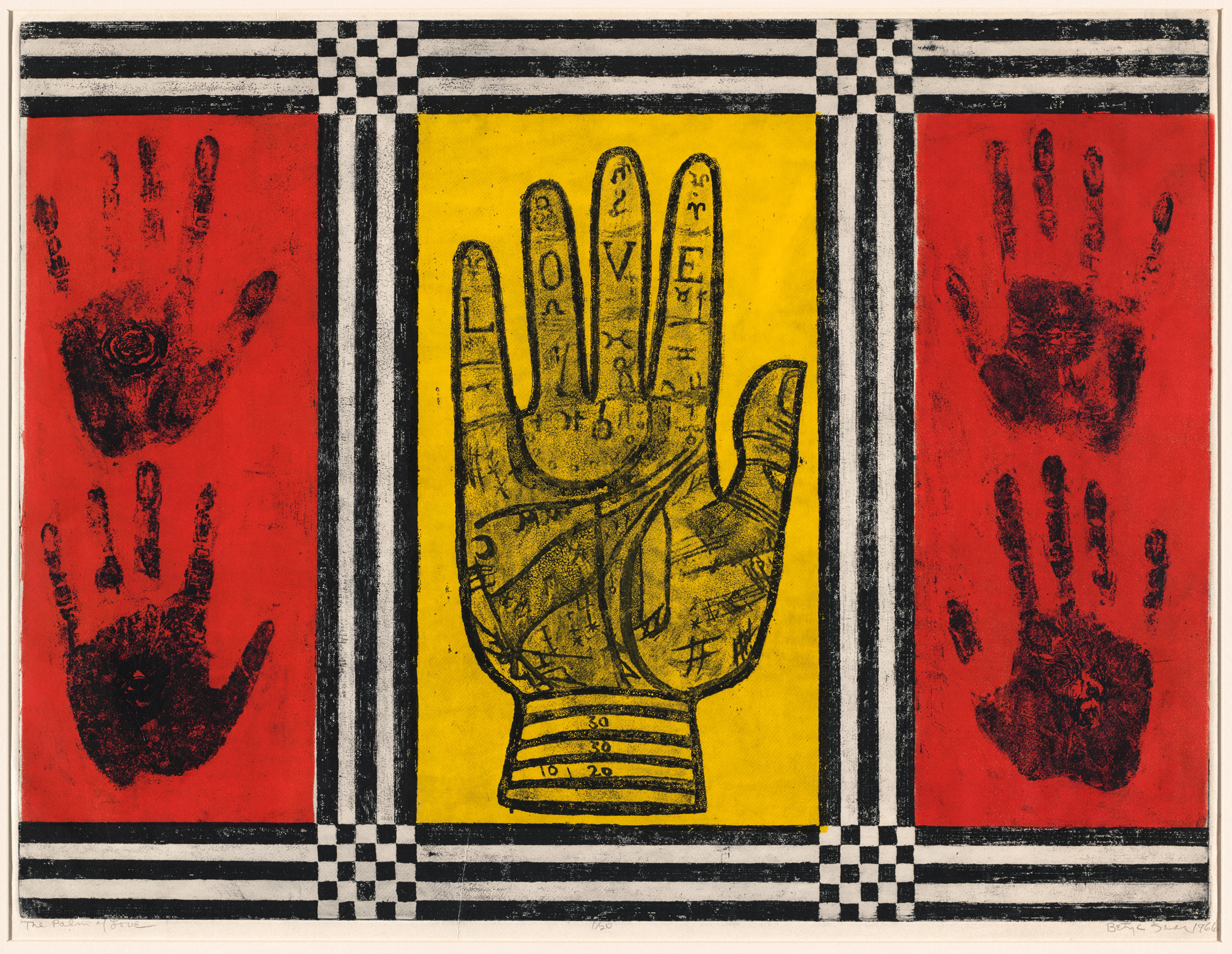
Betye Saar, Palm of Love, 1966 Etching with relief printing 48×66 cm. Courtesy: MoMA, New York

Betye Saar has lived in the same shingle-clad house up a winding lane in Laurel Canyon for nearly 60 years. To reach the front door, on the house’s top story, visitors ascend several flights of steps, passing the kind of thickly planted garden—filled with ornaments and trinkets—that can only be created with decades of care and cultivation.

Saar moved to Laurel Canyon with her former husband, Richard, and three daughters in the early 1960s, shortly before the Hollywood Hills became the nexus of Los Angeles’ hippie music scene. Frank Zappa lived in a log cabin just a few doors down, and Neil Young, Brian Wilson, and Joni Mitchell were also neighbors. The Saars were a hip, artistic family: Betye was a printmaker and designer, and Richard a ceramicist and art conservator. They led a comfortable middle-class life but were far from famous. As with most Black artists of her generation—and virtually all female artists—Saar made her way outside of what little limelight shone on the local art scene. For years, she didn’t even consider herself a real artist.

Read the rest of this entry »
Still Kicking


Pit-2020-01-13_118

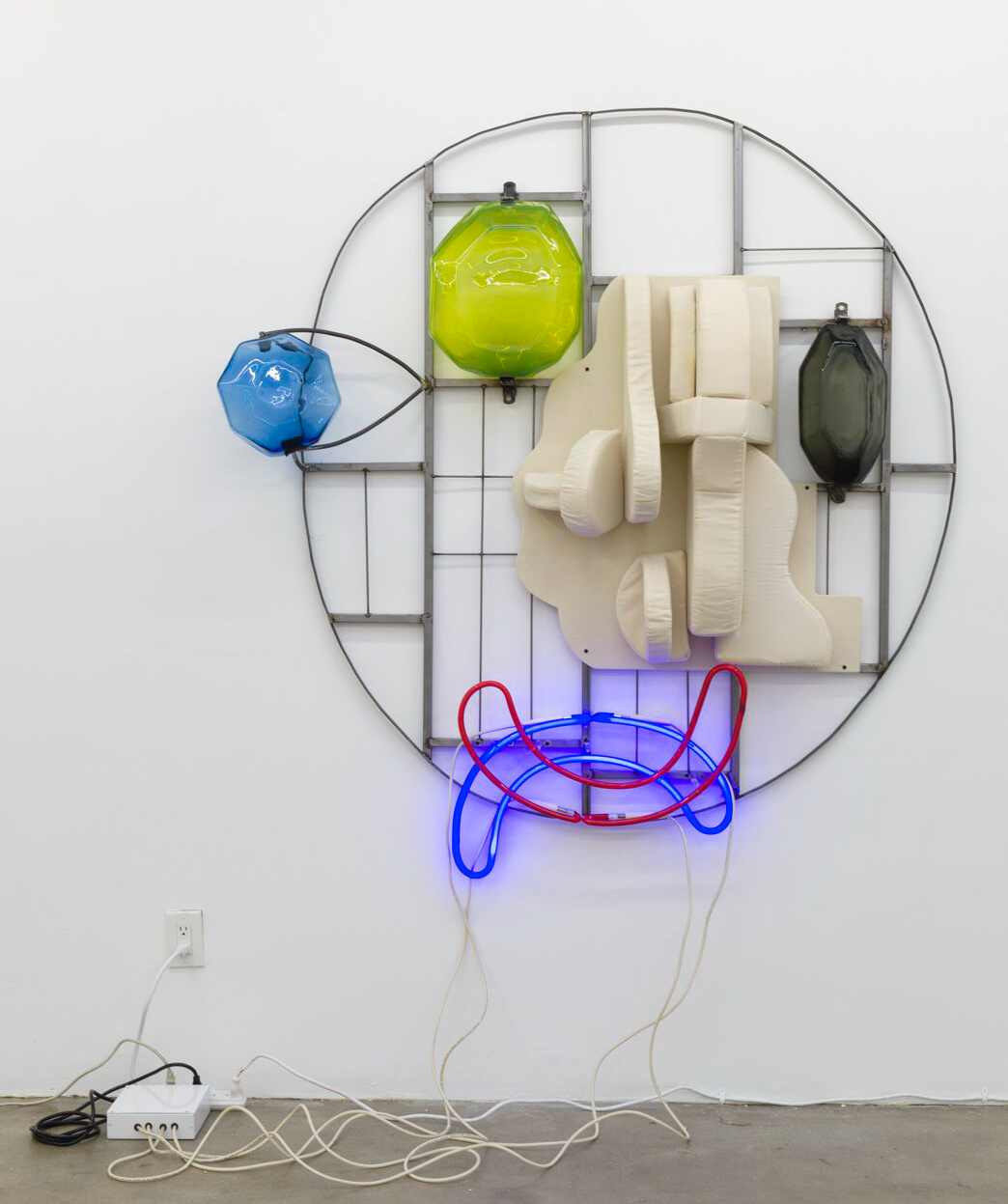
Miyoshi Barosh, Untitled (Crying Head), 2017, Steel, glass, neon, fabric, 68″x62″x12″. Courtesy: The Pit, Glendale

Last week, I was driving with my family through Malibu Canyon in southern California, on our way to the beach, when a grave motorcycle cop turned us back. An hour later, news broke that the basketball player Kobe Bryant had died in a helicopter crash. The wreckage was apparently still smouldering on the hillside above the closed road. Read the rest of this entry »

Ree Morton

Institute of Contemporary Art, Los Angeles

Ree-Morton-Don’t-worry-I’ll-only-read-you-the-good-parts-1975

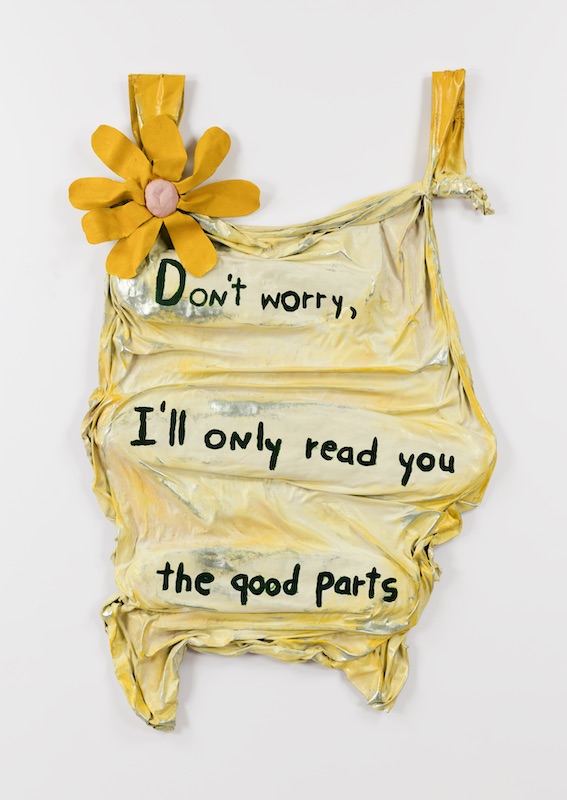
Don’t worry, I’ll only read you the good parts, 1975, oil on Celastic, 137×66 cm. Photo: Joerg Lohse. © The Estate of the artist. Courtesy Alexander and Bonin, New York


Facts and suppositions about Ree Morton’s life might not be so integral to our reading of her art if she hadn’t died in 1977, aged forty, having started late, leaving behind just six or so years of work: a compact oeuvre of sculpture, drawing and installation that acquires an almost unbearable poignancy when framed by the knowledge of its sudden ending. Read the rest of this entry »