Sometime not long ago, before the pandemic rendered such gatherings unconscionable, I met up with a few fellow critics for drinks at a friend’s house. At one point in the evening, during a boisterous discussion about artists’ personal politics, someone casually remarked that so-and-so was ‘definitely a misogynist’, and everyone roundly agreed before cantering on with the conversation.
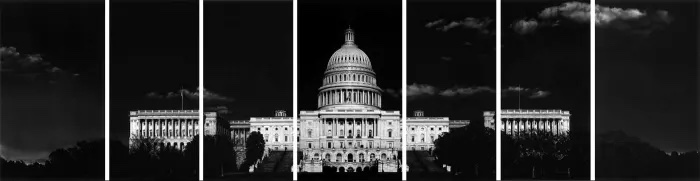
Robert Longo makes aggressive, powerful images. They are usually big. Sometimes very big. High-definition, high-contrast, high-octane. Stereotypically masculine, he’d be the first to admit. Emphatically American.
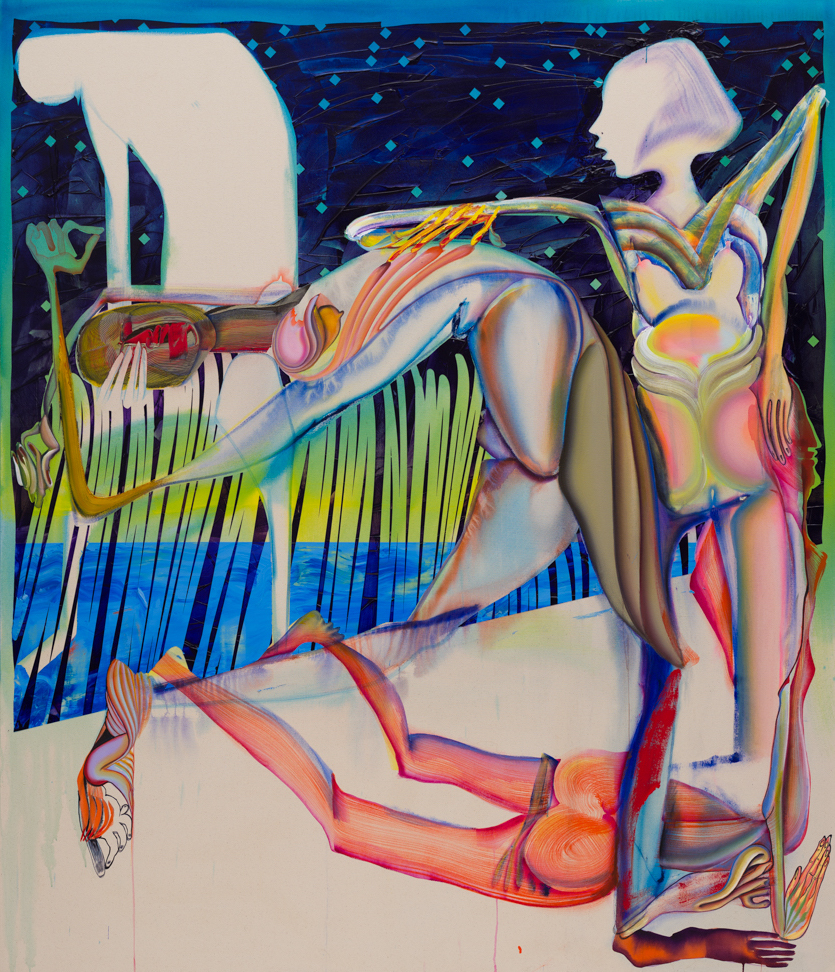
Christina Quarles, Tha Nite Could Last Ferever, 2020 Acrylic on canvas 84 x 72 x 2 in Courtesy of the artist and Pilar Corrias, London Photo: Fredrik Nilsen Studio
This summer, for the first time in two decades of drawing figures, Christina Quarles found out what it is like to be drawn by other people. During lockdown, she and a small group of friends and acquaintances organised socially distanced life-drawing sessions, taking it in turns to model.
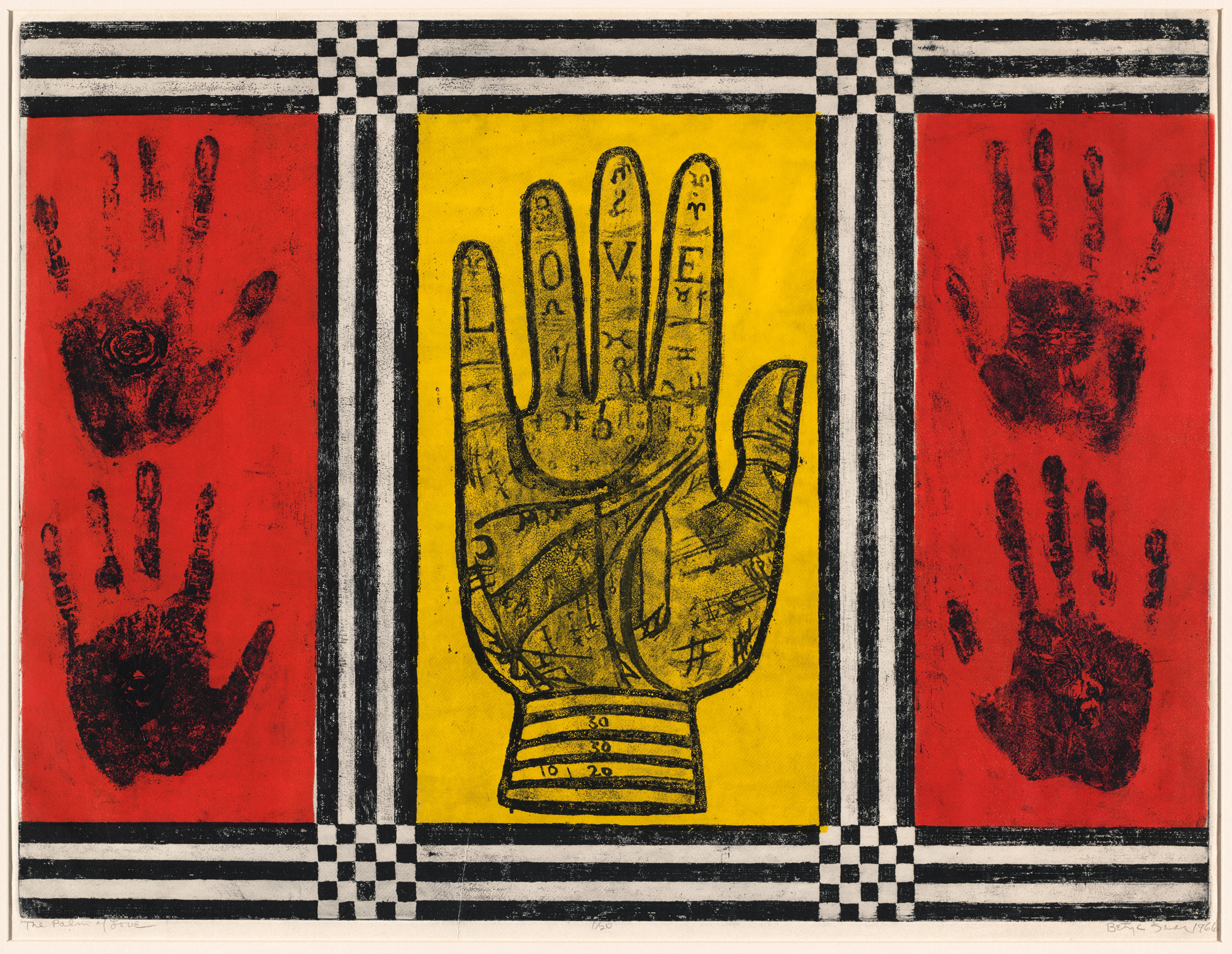
Betye Saar, Palm of Love, 1966 Etching with relief printing 48×66 cm. Courtesy: MoMA, New York
Betye Saar has lived in the same shingle-clad house up a winding lane in Laurel Canyon for nearly 60 years. To reach the front door, on the house’s top story, visitors ascend several flights of steps, passing the kind of thickly planted garden—filled with ornaments and trinkets—that can only be created with decades of care and cultivation.
Saar moved to Laurel Canyon with her former husband, Richard, and three daughters in the early 1960s, shortly before the Hollywood Hills became the nexus of Los Angeles’ hippie music scene. Frank Zappa lived in a log cabin just a few doors down, and Neil Young, Brian Wilson, and Joni Mitchell were also neighbors. The Saars were a hip, artistic family: Betye was a printmaker and designer, and Richard a ceramicist and art conservator. They led a comfortable middle-class life but were far from famous. As with most Black artists of her generation—and virtually all female artists—Saar made her way outside of what little limelight shone on the local art scene. For years, she didn’t even consider herself a real artist.
Gladys Nilsson’s “Plain Air” (2018), acrylic on canvas. Courtesy: Gladys Nilsson; John and Susan Horseman; Garth Greenan Gallery and Matthew Marks Gallery
In 1966, Gladys Nilsson and five other young artists organized an exhibition of their work in Chicago’s Hyde Park Art Center, and overnight became the talk of the town. The group called themselves the Hairy Who.
Their art could be caustic, outré, vulgar and loud; psychedelic patterns and clashing colors abounded. It was bad taste and brilliant fun. Tattoos, graffiti, comic books, fanzines, games and toys, newspaper and magazine advertisements were all influences, as was the encyclopedic, global collection of the Art Institute of Chicago. Rooted in the Surrealist traditions of Chicago’s art scene, it was unlike anything else in America at that time. Read the rest of this entry »
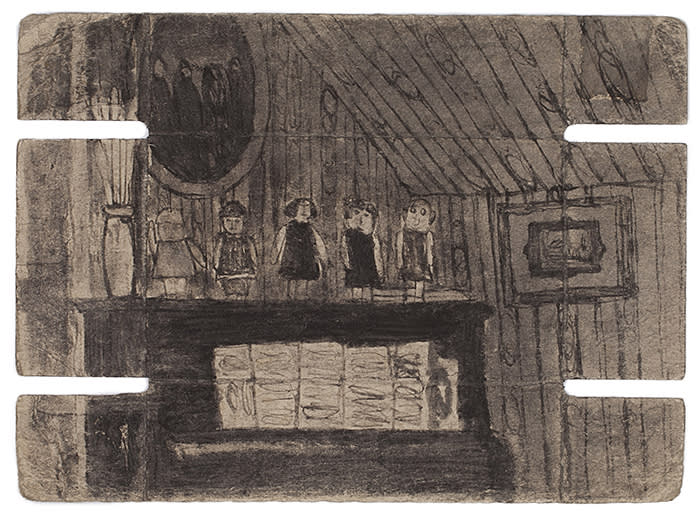
In 2011, Lynne Cooke, then chief curator at Madrid’s Museo Reina Sofia, curated a show by the autodidact artist James Castle that, for her, questioned the received narratives of American art history.
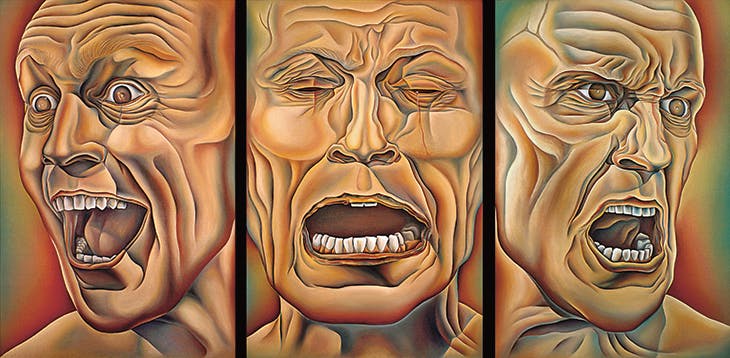
Judy Chicago is excited. ‘This morning my Instagram completely exploded!’ she tells me, clutching her iPhone, when we meet at her Santa Monica hotel. It is late September 2018, the day after Christine Blasey Ford’s devastating testimony, and Brett Kavanaugh’s subsequent tantrum, during the Senate Judiciary Committee confirmation hearings. A friend has forwarded Chicago an article on the website Bustle headlined ‘The Whole Country Just Watched What Happens When Angry, Powerful Men Don’t Get Their Way’, in which the faces of Kavanaugh, Lindsey Graham and Chuck Grassley were shown as a triptych, contorted in what the writer described as ‘fury and condescension’.
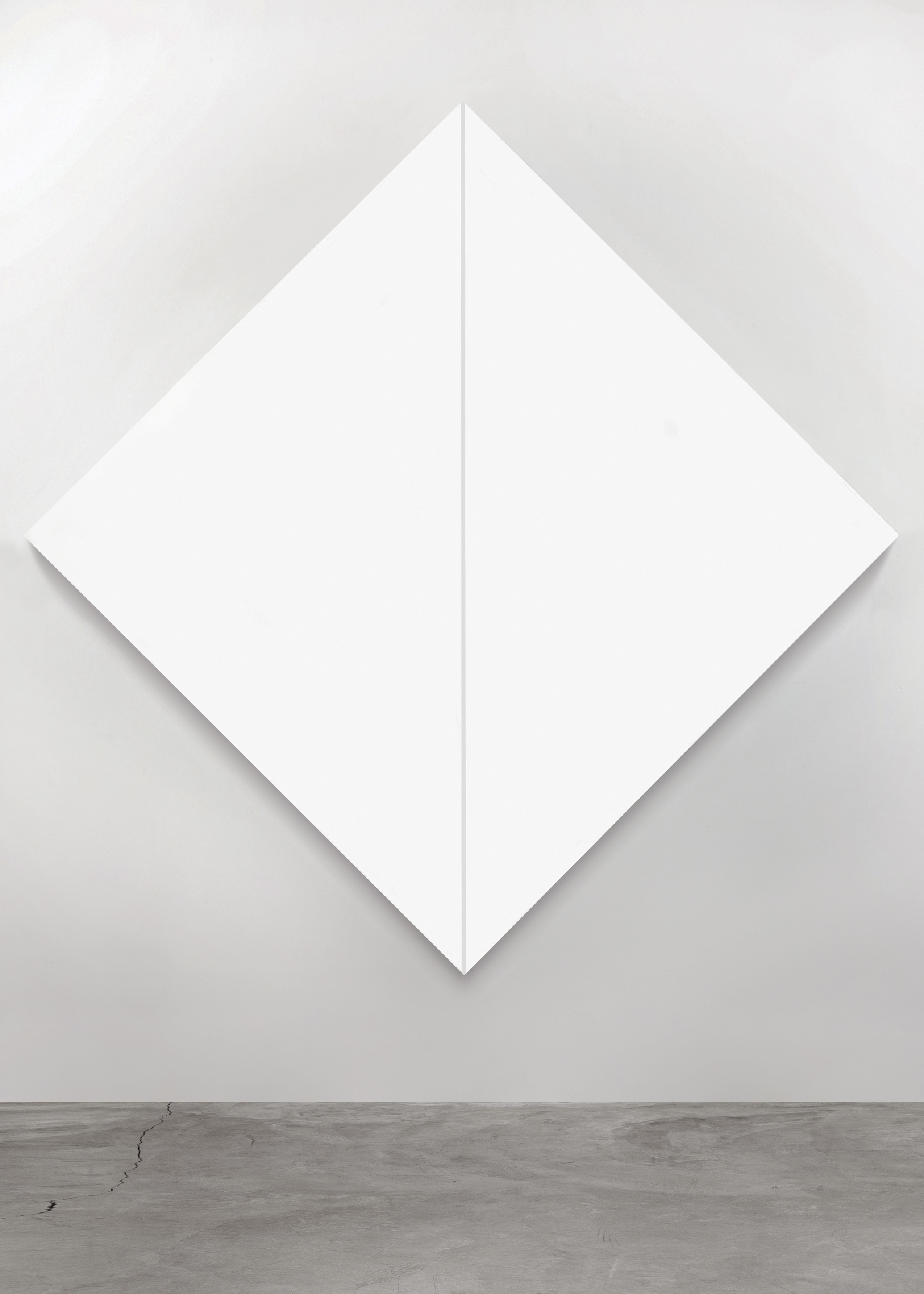
I am standing in Mary Corse’s studio, a large white box with a sloping flat roof that she built two years ago beside her home in the wild landscape of Topanga Canyon, just a few minutes north of Santa Monica. She has lived on the same secluded property, first with her two sons and now alone, since 1970. One side of the studio is given over almost entirely to sliding glass doors which frame a stunning view of the Santa Monica mountains, green with chaparral and live oaks, with ochre rocks jutting in between. Corse apologises for the emptiness of the studio; it is late May, and several new works have just shipped to her solo exhibition at Lisson Gallery, London (11 May–23 June), while a long-term installation of her paintings opened at Dia:Beacon a few days earlier, following the institution’s acquisition of three works from the 1960s and ’70s and another from 2010. Many more pieces have been gathered at the Whitney Museum of American Art, where her retrospective – the artist’s first solo museum survey – opens in June (until 25 November). Read the rest of this entry »
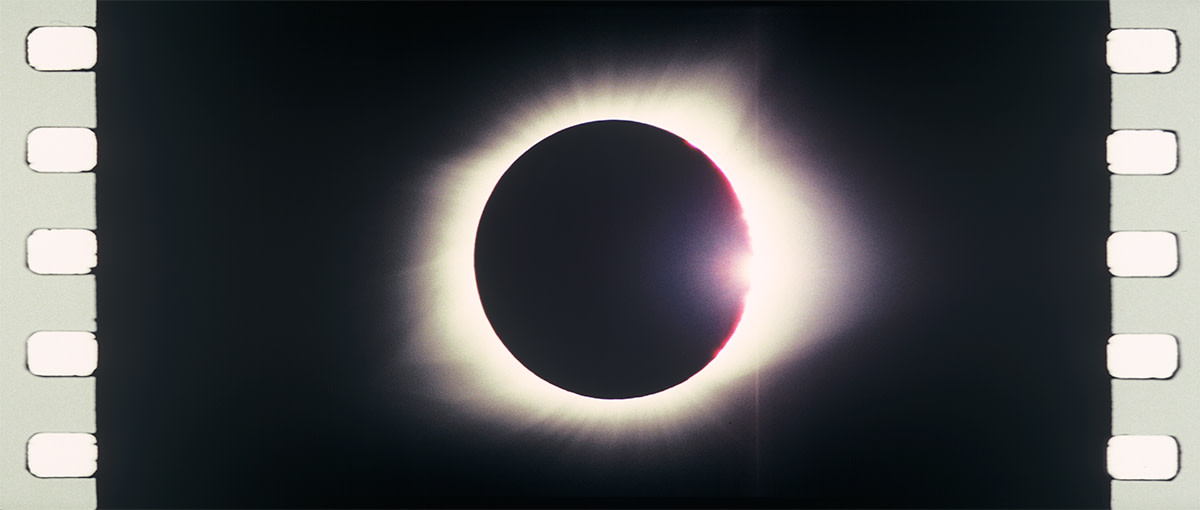
It was around 2014, says Tacita Dean, that things got really bad. When she moved from Berlin to Los Angeles to take up a guest scholar position at the Getty Research Institute, she was contemplating the very real possibility that not only would she be unable to make her art in the future, she would not be able to view it either. Nor would she be able to see the work of countless other artists and filmmakers who, like her, shoot their work on celluloid and refuse to have it digitised or presented in anything other than its native medium. Read the rest of this entry »



 Jonathan Griffin