Jonathan Griffin

Criticism and essays on art and culture

Category: New York Times

Stephen Prina

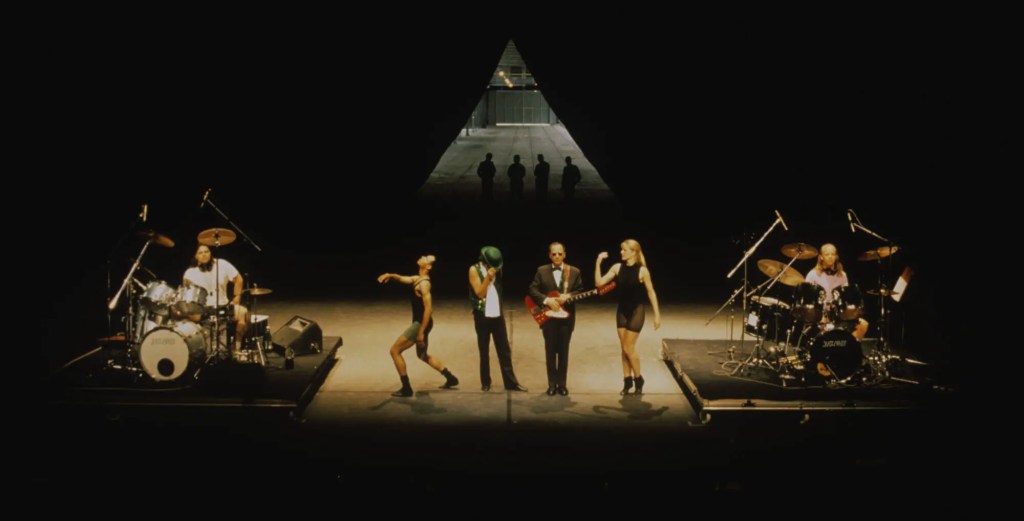
A performance of “Beat of the Traps” in Vienna in 1992. Credit: Anita Pace, Stephen Prina, and Mike Kelley Foundation for the Arts/Licensed by VAGA at Artists Rights Society (ARS), NY

On a dance mat in a cavernous rehearsal space in downtown Los Angeles, the actor Abbott Alexander put on a battered green bowler hat, last worn onstage 33 years ago. Nearby, two drummers perched behind their kits and, to the side, two dancers stretched against the wall.

Read the rest of this entry »

Marlon Mullen

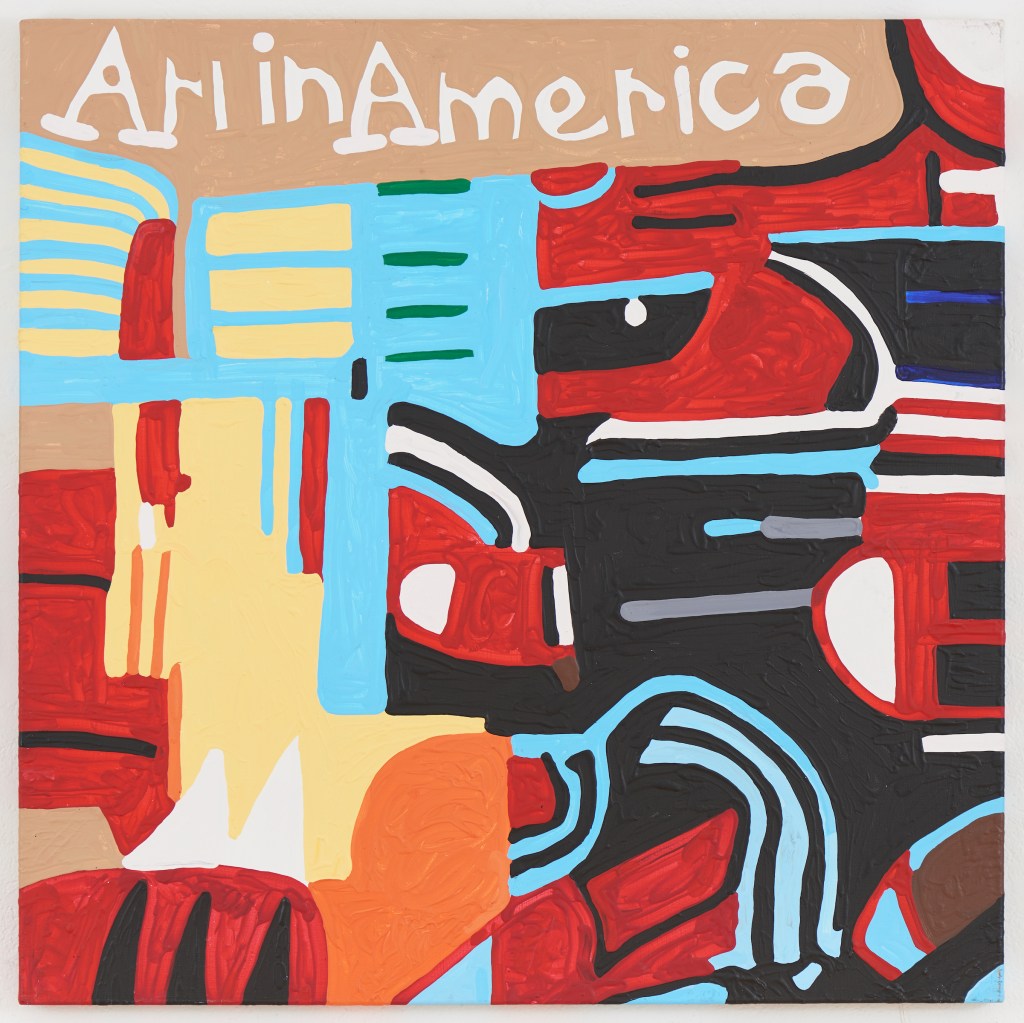
Marlon Mullen. Untitled. 2017. Acrylic on canvas, 36 × 36″ (91.4 × 91.4 cm). Collection Brad and Clare Hajzak © 2024 Marlon Mullen

Before Marlon Mullen begins a painting, he likes to tidy his work space. He’ll pre-mix his paints — Golden acrylics in recycled pots — and lay out his brushes and canvas on his table. Often, he’ll empty the studio’s trash cans. Sometimes he’ll even sweep the yard outside, or rearrange objects on the studio shelves according to their relation to colors he plans to use in his painting. As I learned when I visited him in Richmond, Calif., one recent rainy morning, this ritual process can take days.

Read the rest of this entry »

Norman Zammitt

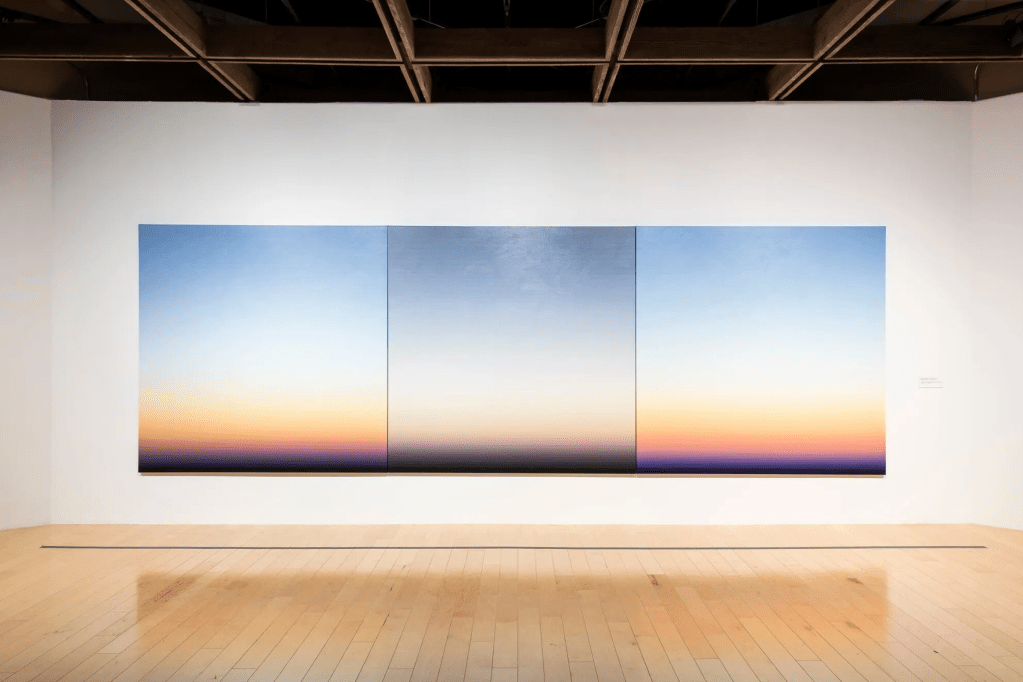
Norman Zammitt, “Caly-forny-ay,” 1987. Credit…RJ Sánchez/Solstream Studios, via Palm Springs Art Museum

Aesthetically, Los Angeles is mostly a mess. Unplanned, mismatched buildings sprout like fungus among the grid of its streets, whose orderly classicism is often disrupted by tectonically induced hills. Curbs crumble and sidewalks crack beneath telegraph poles festooned with cables. Flamboyant succulents mingle with scrubby native plants.

Read the rest of this entry »

Jessie Homer French

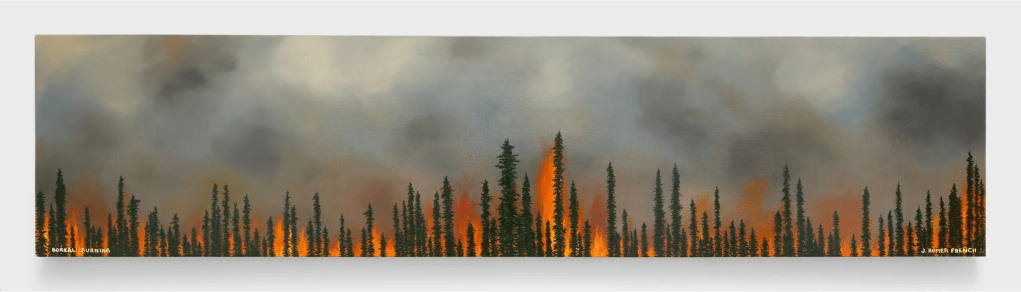
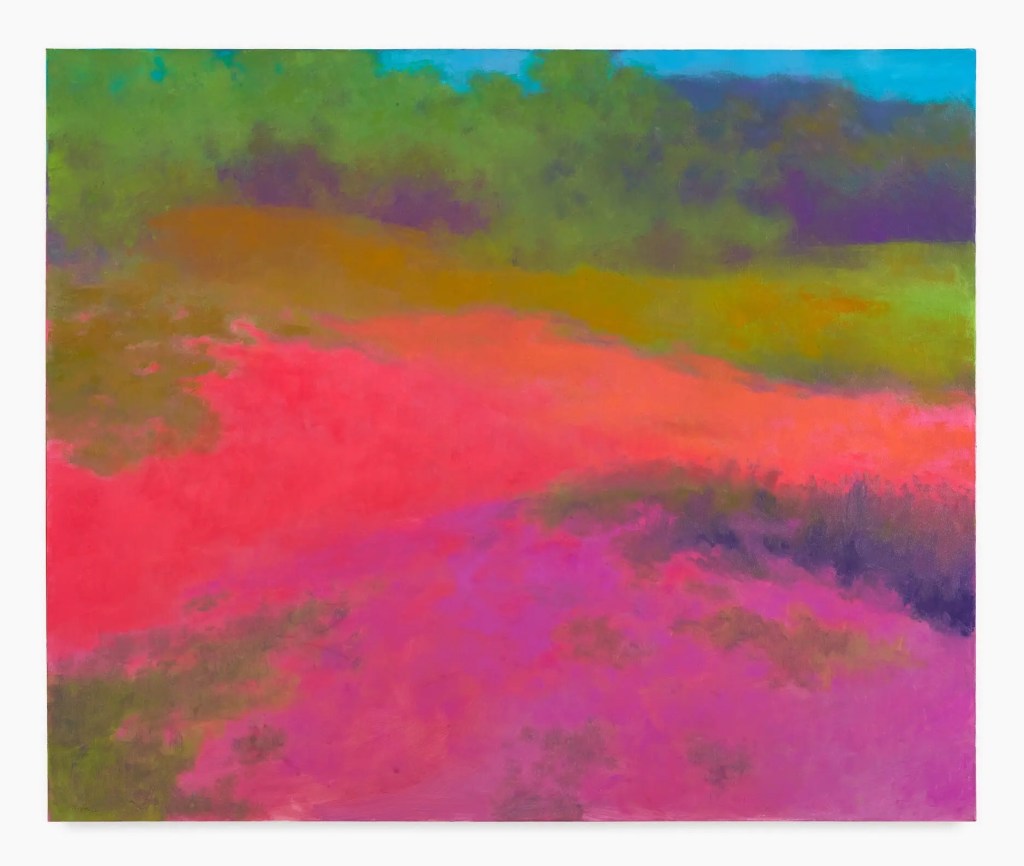
Jessie Homer French, “Boreal Burning,” 2022.Courtesy: Jessie Homer French, MASSIMODECARLO, and Various Small Fires

On a sunny autumn morning, in Jessie Homer French’s garage-studio, up several miles of mountain switchbacks from Palm Desert, Calif., a dozen canvases are propped on shelves in various stages of completion. Most are landscapes. Three depict cemeteries, a recurrent subject for the 83-year-old self-taught artist. Standing out among the browns and the greens, however, are two pictures of wildfires, in furious tones of orange, yellow and black.

Read the rest of this entry »

Richard Mosse

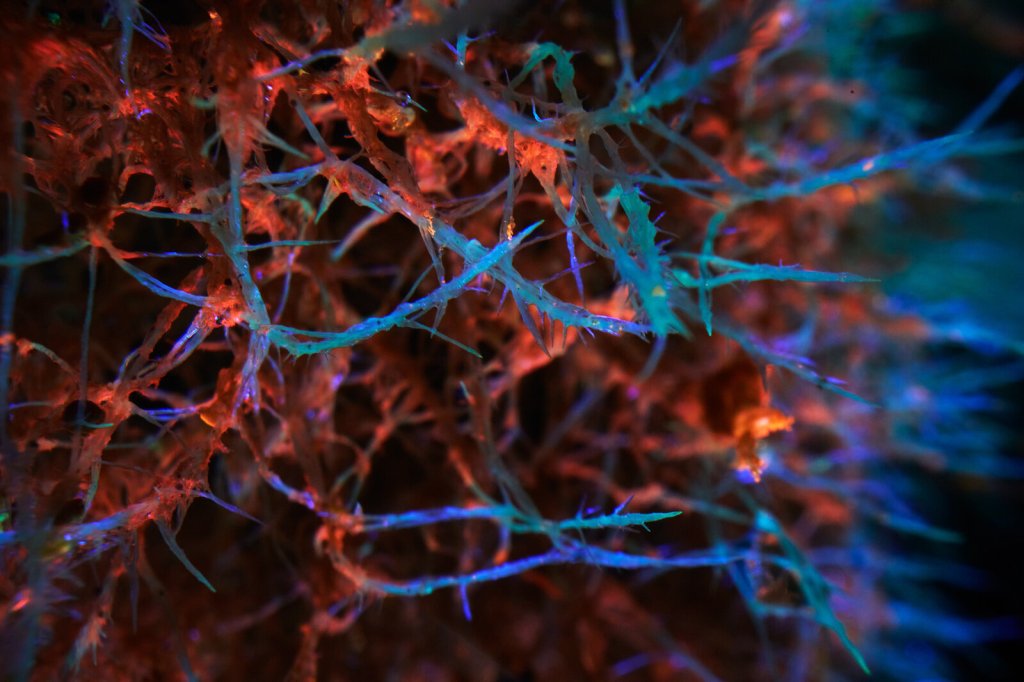
Richard Mosse, Still from Broken Spectre VIII, Llanganates Sangay Ecological Corridor, Ecuador, 2022. Courtesy: Altman Siegel, San Francisco; Jack Shainman Gallery, New York

In 2018, the artist Richard Mosse was understandably weary. He had spent most of the last decade in places torn by conflict and civil unrest.

In the early 2010s, the Irish-born New York-based artist had worked for five years in the Democratic Republic of Congo, photographing and filming the humanitarian disaster that has claimed millions of lives and displaced millions more. That project led to another video and photographic series focusing on the European refugee crisis unfolding around the Mediterranean. Before that, he had embedded with the U.S. Army in Iraq.

Read the rest of this entry »

Richard Mayhew

Pamela’s Aura, 2004, Courtesy Richard Mayhew and Venus Over Manhattan, New York

The painter Richard Mayhew, who recently celebrated his 99th birthday, has lived through as broad a swath of this nation’s history as anyone you might hope to meet.

Sitting at a patio table outside his cedar-shingled suburban home in Soquel, near Santa Cruz, Mayhew leaned back in his chair and reflected on his long life.

“I drove across the United States six times,” he said. “Three over, and three back, from New York to San Francisco. I was always looking.”

Read the rest of this entry »

Patrisse Cullors and noé olivas

Charlie James Gallery, Los Angeles

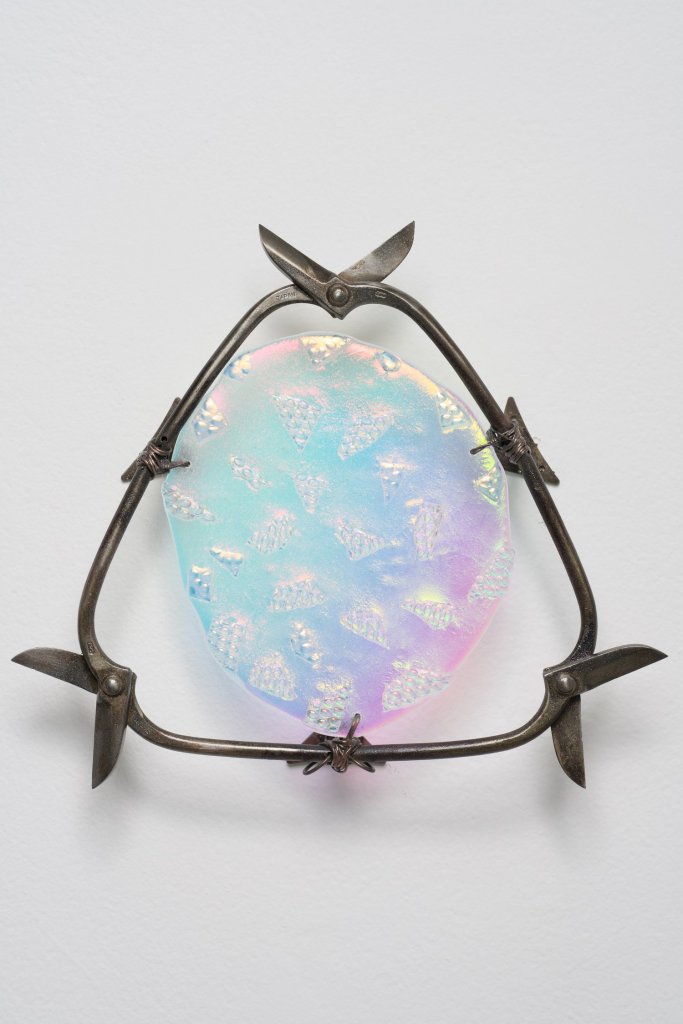
noé olivas, Prayers of Protection (2023) Garden shears, cooper, dichroic glass, metal 12 x 13 x 2 1/4 inches. Courtesy: noé olivas and Charlie James Gallery, Los Angeles; Photo by Yubo Dong/ofstudio

At the Charlie James Gallery, in the Chinatown neighborhood here, a surprising exhibition of spiritually reflective and esoteric artwork opened recently. Surprising because the artists, Patrisse Cullors and noé olivas, are known for their activism and social engagement, and because the works in the show, “Freedom Portals,” reject the strident, declamatory tenor of much political art.

Read the rest of this entry »

Rebecca Morris and Peter Bradley

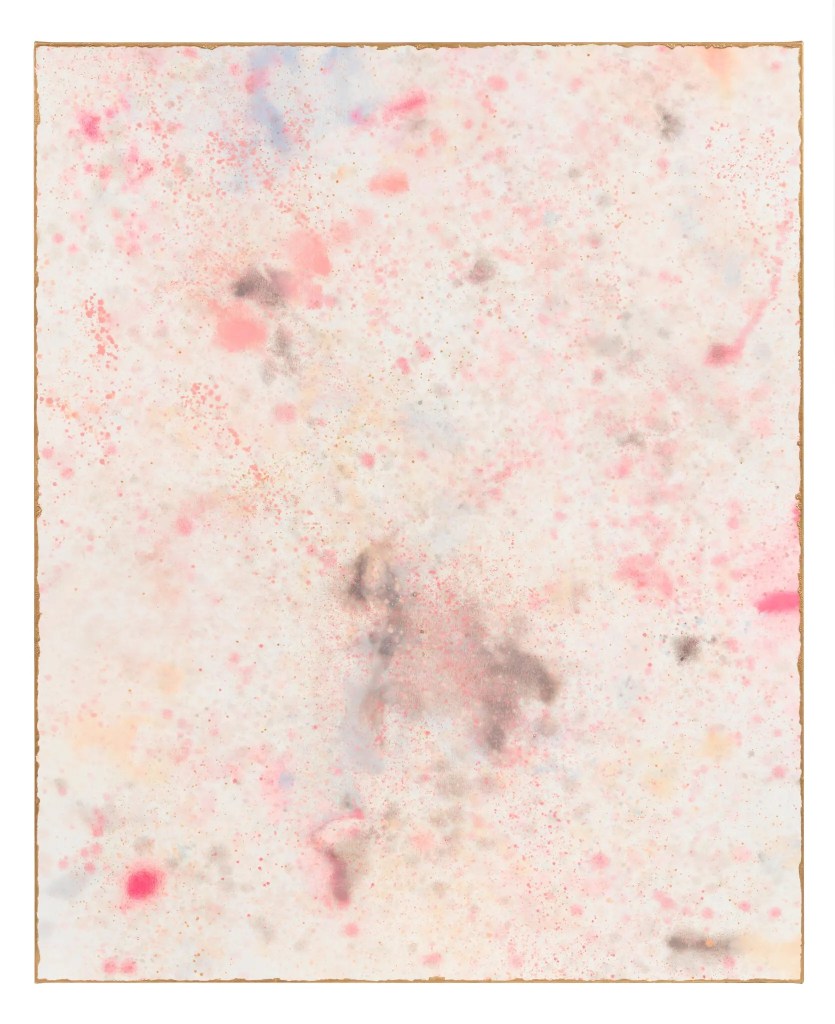
Rebecca Morris, “Untitled (#09-05)” (2005) Courtesy: Bortolami, New York; Corbett vs. Dempsey, Chicago; and Galerie Barbara Weiss, Berlin

“Art should be about nothing,” my friend, the abstract painter Liam Everett told me recently. “It should be an encounter with a U.F.O., an unknown object you have to work out how to come to terms with.”

It’s a provocative, hard-line position, one more fitted to an artist than a critic. But given art’s recent turn toward the figurative, the literal, and the narrative, I too often find myself hankering for art that doesn’t try to tell me things. What the critic Peter Schjeldahl, writing on Piet Mondrian, recently termed “obdurate mystery.”

Read the rest of this entry »

Suzanne Lacy

Suzanne Lacy, Los Angeles, 2022. Yudi Ela for The New York Times

On a cold day last December, sitting outside her studio in Santa Monica, Calif., the artist Suzanne Lacy  talked excitedly about the coming year. In Manchester, England, exhibitions of her work were already open at the Whitworth Art Gallery and the Manchester Art Gallery. She looked forward to a prestigious fellowship at the University of Manchester in the spring.

Read the rest of this entry »

Sarah Cain

Sarah Cain, “My favorite season is the fall of the patriarchy,” at the National Gallery of Art in Washington, D.C., 2021 Photograph: Rob Shelley

Last summer, the painter Sarah Cain was contemplating the biggest project of her career: a 45-foot-long painting for the East Building Atrium of the National Gallery of Art, in Washington, D.C. Cain, 42, has been making caustically colorful, improvised abstractions since the mid-2000s and had been commissioned to hide construction walls during refurbishment of the atrium’s skylight. Nearby sculptures by Max Ernst, Isamu Noguchi and Richard Serra, too large to relocate, were protected by wooden boxes. Cain was tasked with painting on the boxes, too — each bigger than her studio. (And she needed a title.)

Read the rest of this entry »