Jonathan Griffin

Criticism and essays on art and culture

Category: Review

Patrick Jackson

François Ghebaly, Los Angeles
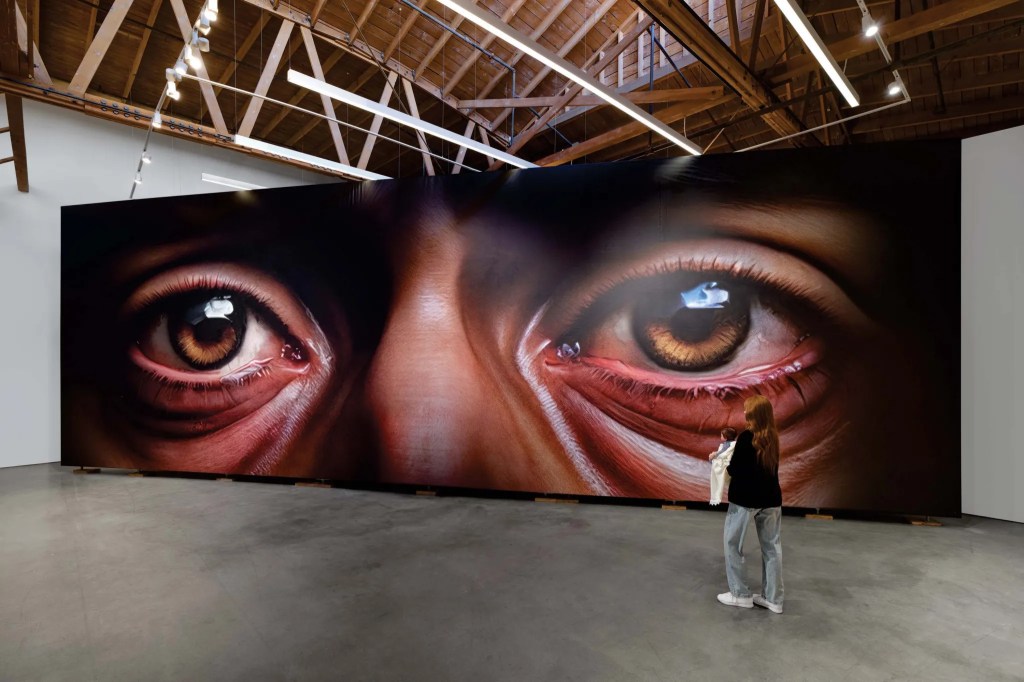
View of “Patrick Jackson: All Signs Fail,” 2026. From left: Memorial, 2026; Untitled (Mother and Child), 2026. Photo: Paul Salveson

Patrick Jackson did not make the cobwebs that, on my visit to his show, tangled around the scaffolding supporting his billboard sculpture Memorial, 2026, but he didn’t brush them away, either. Visitors who venture behind the giant forty-four-foot-wide printed image that splits the gallery diagonally encounter a “behind-the-scenes” area of dusty and cramped corridors that establishes a complicated set of relations between frontality and interiority, contrivance and authenticity, desire and disappointment. The exhibition’s title directs us to the artist’s position: “All Signs Fail.”

Read the rest of this entry »
John Hodgkinson

House of Seiko, Los Angeles

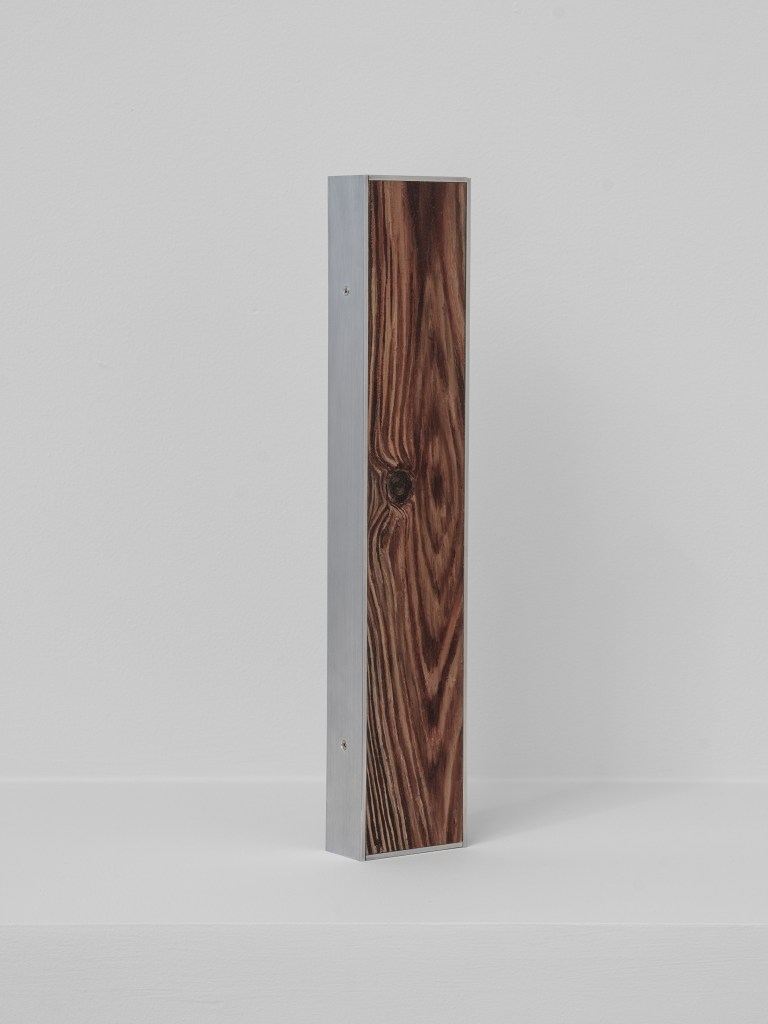
John Hodgkinson, No. 27, 2026, oil on linen, aluminum frame, 15 3/8 × 3 × 1 1/2″

The defining quality of any hyperrealist artwork is situated in the degrees to which it deviates from—or falls short of—the object it seeks to reproduce. If a Photorealist painting were indistinguishable from a photograph, there would be nothing to look at, nothing to think about.

Read the rest of this entry »

Jacqueline Humphries

Aspen Museum of Art

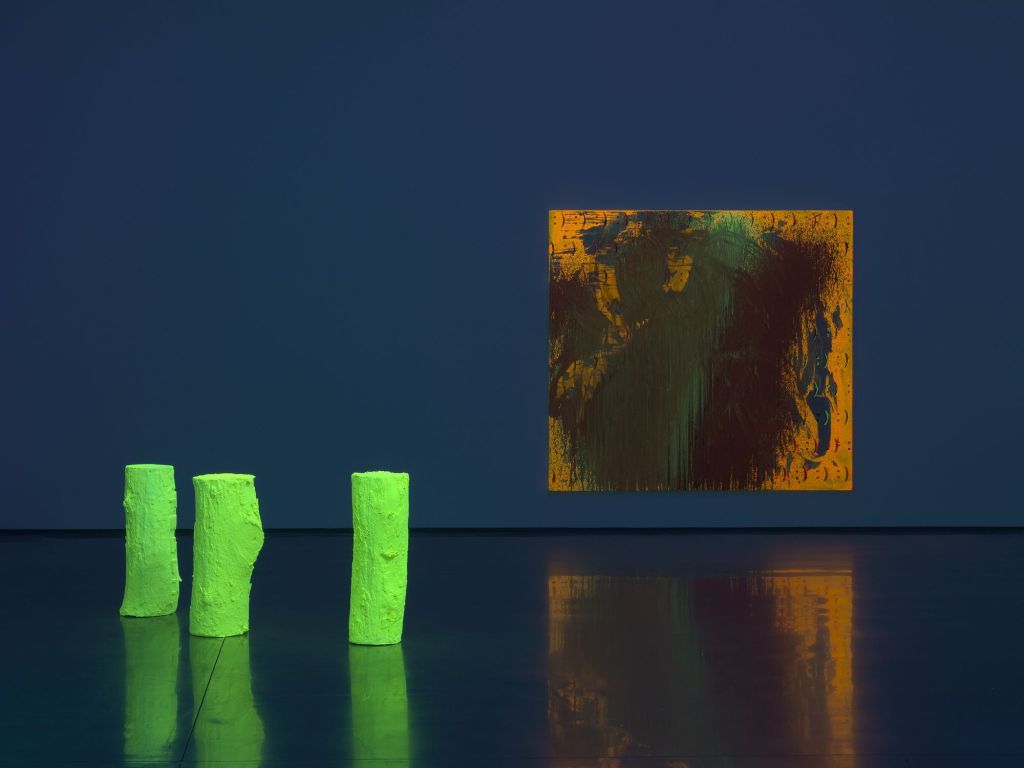
Standing Logs TSLA, 2025, pigmented aqua resin; Untitled, 2015, oil and enamel on linen. Courtesy: Aspen Art Museum; photo: Dan Bradica

Writers from Marcel Mauss and Georges Bataille to Lewis Hyde have contributed to the notion of art as a veiled gift, with strings attached. Generosity and withholding are not antitheses; many of the best artworks are both withholding—in their minimalism, obscurantism, or elusiveness—and, despite their outward reserve, unexpectedly generous.

Read the rest of this entry »

Norman Zammitt

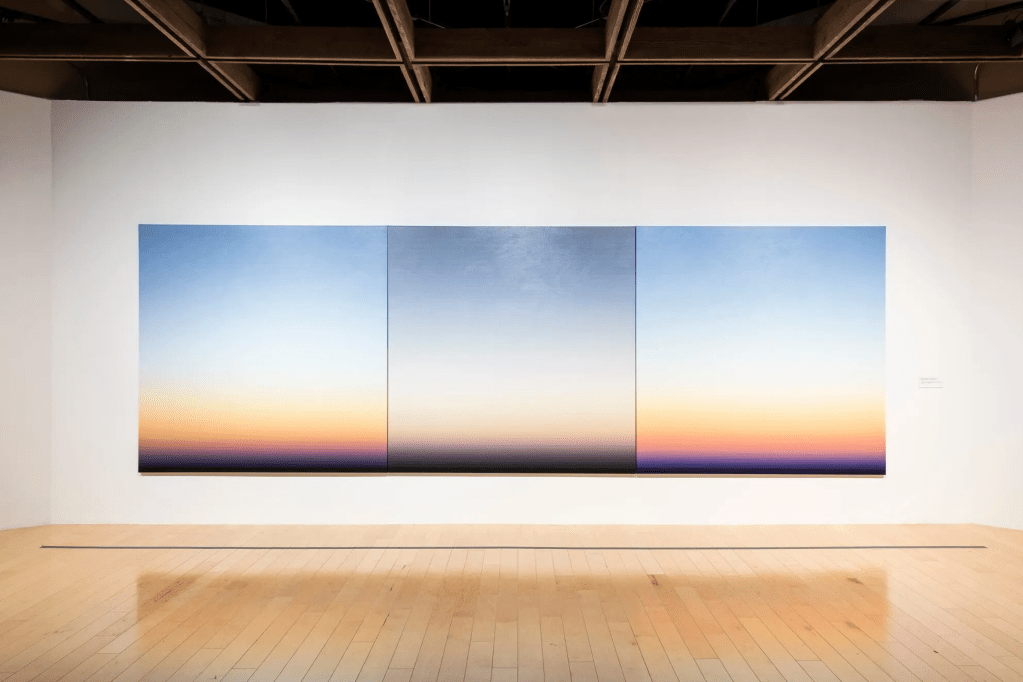
Norman Zammitt, “Caly-forny-ay,” 1987. Credit…RJ Sánchez/Solstream Studios, via Palm Springs Art Museum

Aesthetically, Los Angeles is mostly a mess. Unplanned, mismatched buildings sprout like fungus among the grid of its streets, whose orderly classicism is often disrupted by tectonically induced hills. Curbs crumble and sidewalks crack beneath telegraph poles festooned with cables. Flamboyant succulents mingle with scrubby native plants.

Read the rest of this entry »

Candice Lin

Canal Projects, New York

The story, as literary theorist Peter Brooks has observed, is today’s dominant cultural form. To Brooks, this “overabundance” of narrative is worrying: he criticizes the deference of virtually all strands of culture (not only literature, TV, and movies but art, museology, and—especially—news media) to the persuasive rhetorical power of the story.1 I share many of his concerns. “The universe is not our stories about the universe,” he writes, “even if those stories are all we have.”2

Read the rest of this entry »

Keith Haring

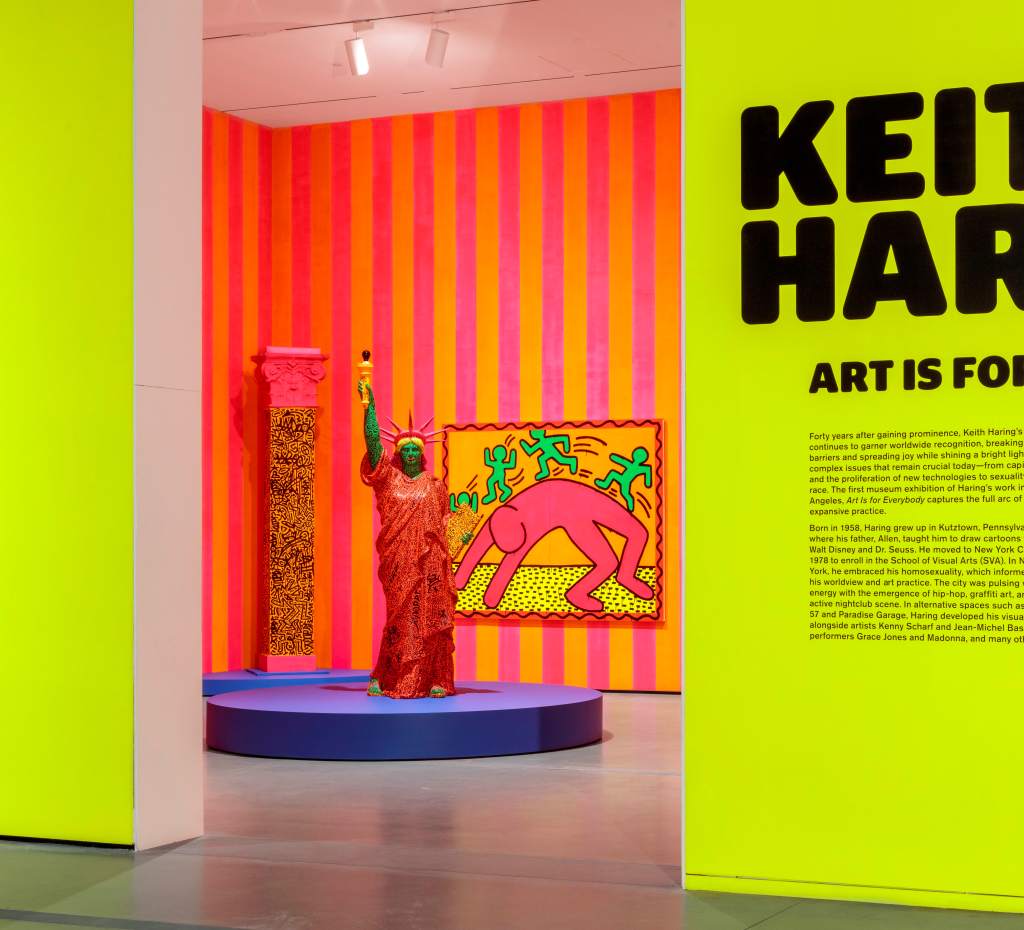
Installation view of Keith Haring: Art Is for Everybody exhibition at The Broad, Los Angeles. Photo: Joshua White/JWPictures.com, courtesy of The Broad

The Broad, Los Angeles

I predict few will linger long enough to absorb the four paragraphs of potted biography on the neon yellow wall welcoming visitors to ‘Keith Haring: Art Is for Everybody’, before surging onward into the first gallery, which is painted with fluorescent pink and orange stripes. The green and orange Statue of Liberty (1982) commands the room, graffitied to high heaven by Haring and his then-15-year-old collaborator, LA II (Angel Ortiz). Nearby is a Corinthian column, similarly improved, while on the walls hang Haring’s Day-Glo paintings on muslin, aluminium and Formica.

Read the rest of this entry »

Merlin James

Chris Sharp Gallery, Los Angeles

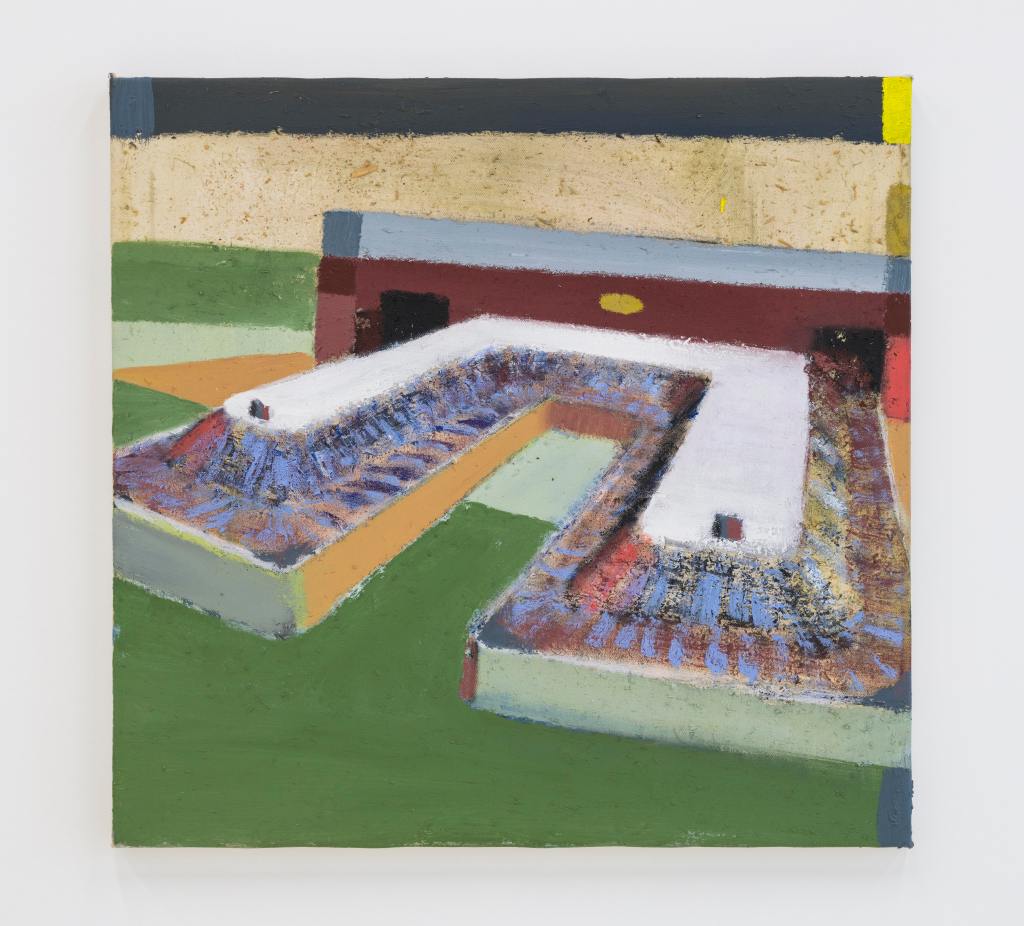
Merlin James, Arrivals, 2007-08. Acrylic and mixed materials on canvas, 25 5/8 x 26 5/8 inches. Image courtesy Sikkema Jenkins & Co, New York, Chris Sharp Gallery, Los Angeles, and the artist 

My attention is more or less guaranteed by any exhibition that offers, within the initial sweep of its first gallery, a painting of an airport luggage carousel; a near-monochrome canvas, composed from grubby, rectilinear sections; a close-up picture of a blowjob; and a boisterous abstraction incorporating a tail-wagging dog and a swipe of glitter.

Read the rest of this entry »

Patrisse Cullors and noé olivas

Charlie James Gallery, Los Angeles

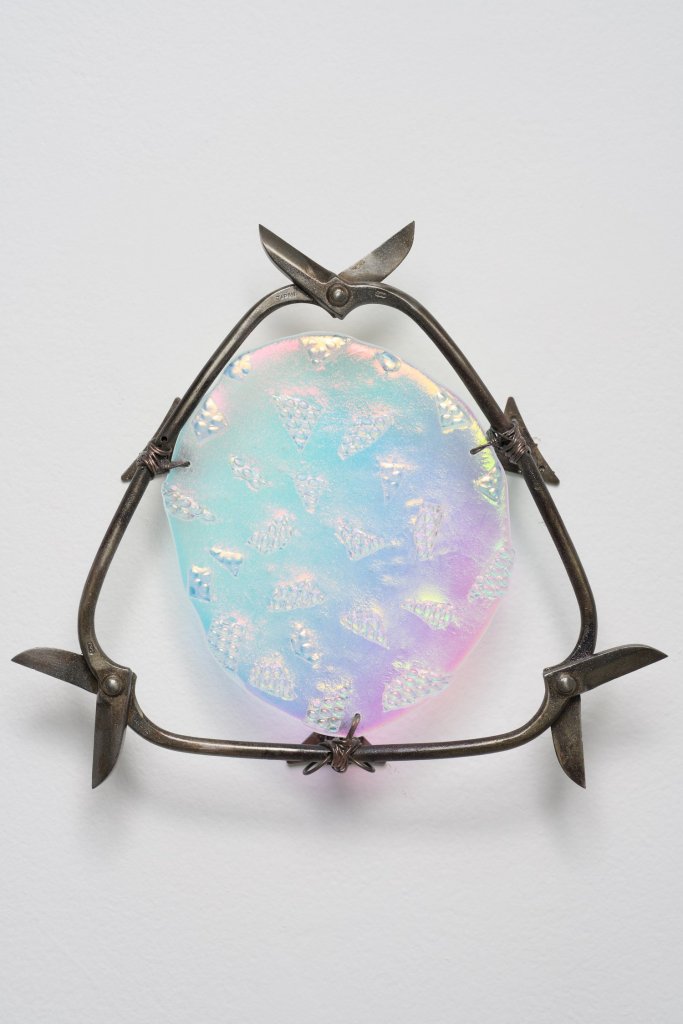
noé olivas, Prayers of Protection (2023) Garden shears, cooper, dichroic glass, metal 12 x 13 x 2 1/4 inches. Courtesy: noé olivas and Charlie James Gallery, Los Angeles; Photo by Yubo Dong/ofstudio

At the Charlie James Gallery, in the Chinatown neighborhood here, a surprising exhibition of spiritually reflective and esoteric artwork opened recently. Surprising because the artists, Patrisse Cullors and noé olivas, are known for their activism and social engagement, and because the works in the show, “Freedom Portals,” reject the strident, declamatory tenor of much political art.

Read the rest of this entry »

Tala Madani

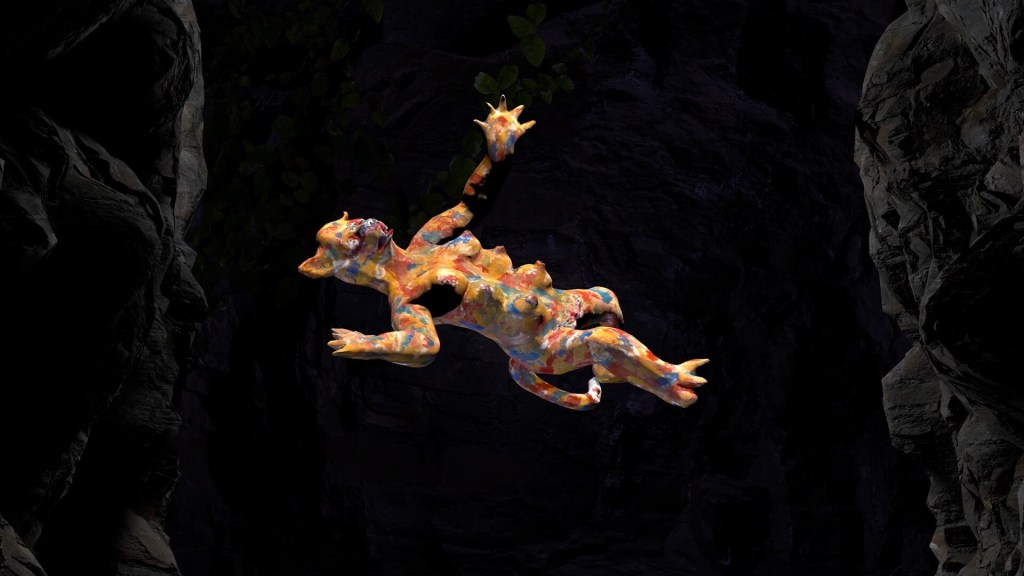
Tala Madani, ‘Key Words (Holiday)’ (2021) © Courtesy the artist; Pilar Corrias; David Kordansky Gallery; 303 Gallery. Photo: Elon Schoenholz

Tala Madani, who was born in 1981 in Tehran but now lives in LA, has been exhibiting her outrageously funny, politically caustic paintings and animations since the mid-2000s. She has long shown herself to be a deeply skilful painter, even virtuosic, as visitors to her mid-career survey Biscuits at the Museum of Contemporary Art, Los Angeles can judge, although her ability sometimes manifests in surprising ways. She has established herself as a master of the faecal smear, just as she is adept at painting the prismatic effects of projected light.

Read the rest of this entry »

Alonzo Davis

Parrasch Heijnan

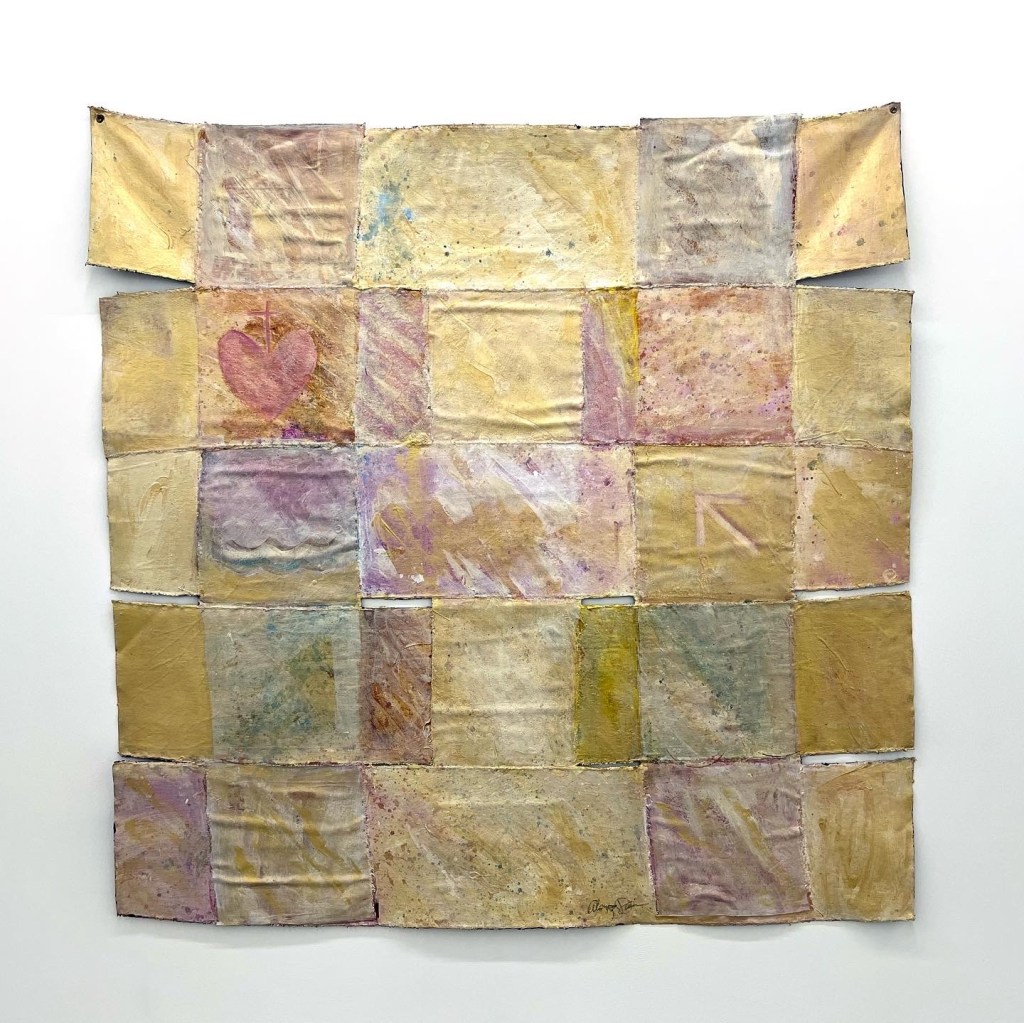
Alonzo Davis, King’s Peace Cloth, 1985, acrylic on woven canvas, 1.4 × 1.4 m. Courtesy: the artist and Parrasch Heijnen, Los Angeles

If you had dipped even a toe in the Black art world of 1970s and ’80s Los Angeles, you would have known the Brockman Gallery. Opened in 1967 by artist brothers Alonzo and Dale Davis, it occupied a storefront in Leimert Park, a middle-class enclave in South Los Angeles, and showed mainly Black artists. (Non-profit Art + Practice now runs its public programmes in the space.)  Canonical figures exhibited there, including David Hammons, Senga Nengudi, John Outterbridge, Noah Purifoy and Betye Saar, making the Brockman Gallery easily as important – and arguably more interesting – than the world-famous Ferus Gallery, even though it remains little known outside its community. In 1987 Alonzo Davis stepped away from the gallery – and from Los Angeles – to concentrate on his art practice. Given his contribution to the city, it’s shocking that this is his first solo exhibition in LA since 1984.

Read the rest of this entry »