Jonathan Griffin

Criticism and essays on art and culture

Tag: moma

Stephen Prina

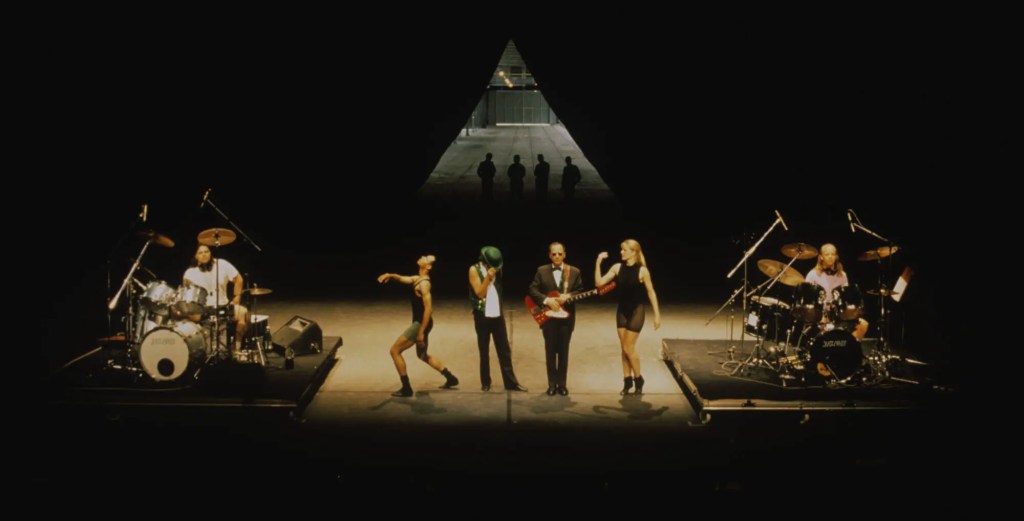
A performance of “Beat of the Traps” in Vienna in 1992. Credit: Anita Pace, Stephen Prina, and Mike Kelley Foundation for the Arts/Licensed by VAGA at Artists Rights Society (ARS), NY

On a dance mat in a cavernous rehearsal space in downtown Los Angeles, the actor Abbott Alexander put on a battered green bowler hat, last worn onstage 33 years ago. Nearby, two drummers perched behind their kits and, to the side, two dancers stretched against the wall.

Read the rest of this entry »

Thomas Wilfred

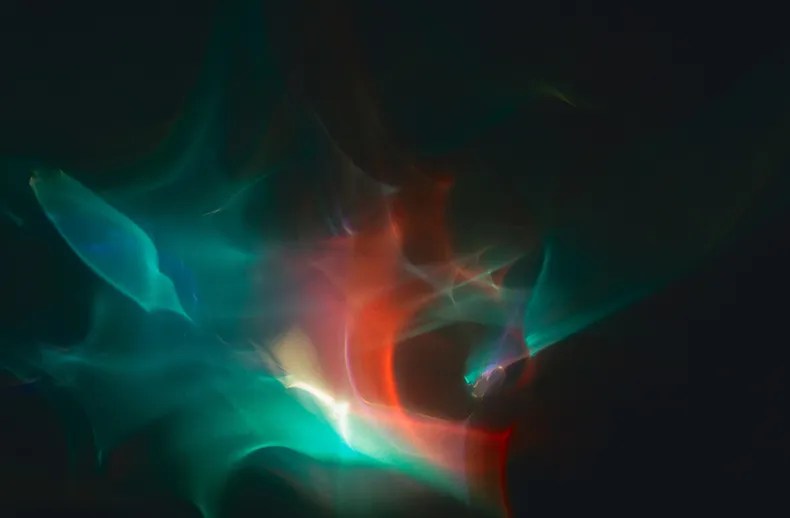
Lumia Suite, Op. 158 (1963–64), Thomas Wilfred. Museum of Modern Art, New York

Between 1964 and 1981, visitors to New York’s Museum of Modern Art (MoMA) could sit in a darkened room and contemplate opalescent wisps of colour drifting slowly across a screen. The installation, tucked in the museum’s basement, was a favourite among regulars. At times, the screen – eight feet wide and six high – was filled with diaphanous skeins of pale yellow, green, blue or pink, while at other times the light dwindled, letting most of the picture fall into darkness. It was mesmeric, unlike anything else in the museum. Unlike, probably, anything yet made in the history of humankind.

Read the rest of this entry »

Marlon Mullen

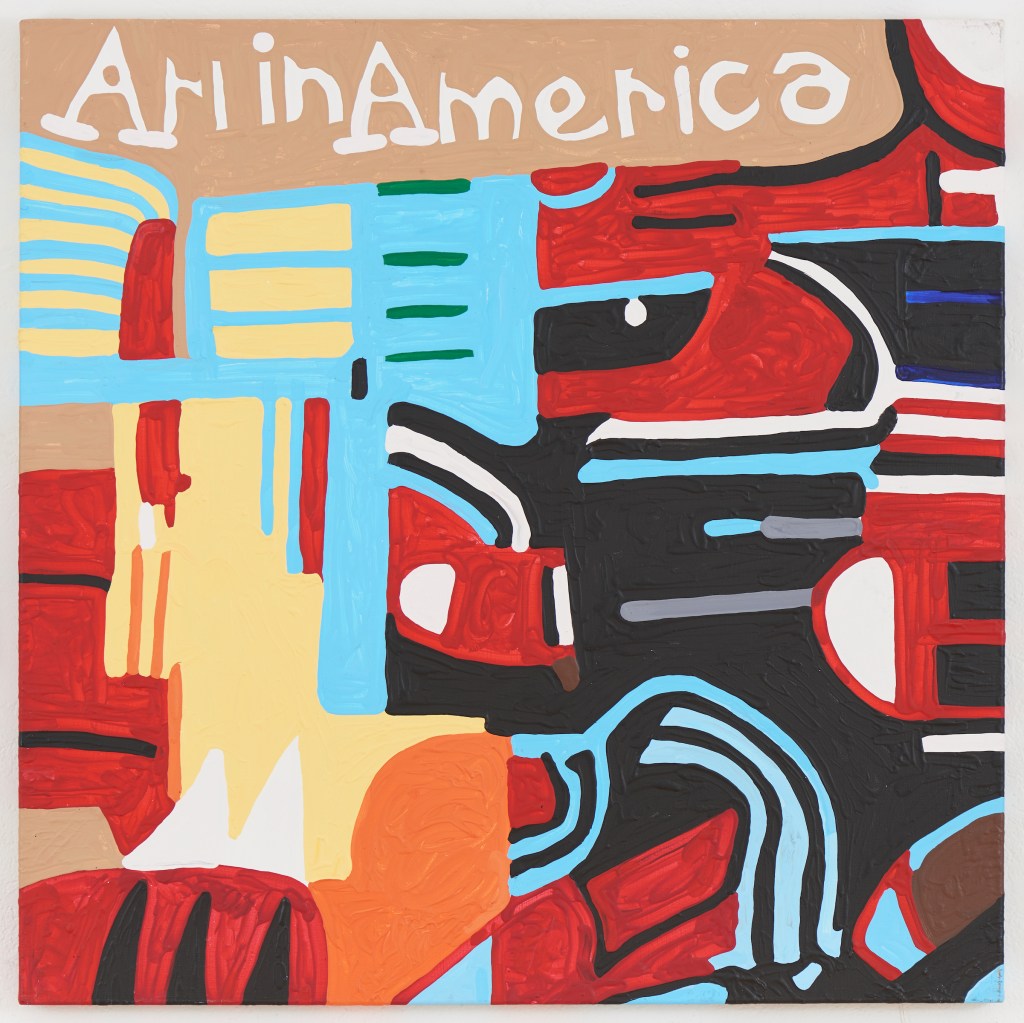
Marlon Mullen. Untitled. 2017. Acrylic on canvas, 36 × 36″ (91.4 × 91.4 cm). Collection Brad and Clare Hajzak © 2024 Marlon Mullen

Before Marlon Mullen begins a painting, he likes to tidy his work space. He’ll pre-mix his paints — Golden acrylics in recycled pots — and lay out his brushes and canvas on his table. Often, he’ll empty the studio’s trash cans. Sometimes he’ll even sweep the yard outside, or rearrange objects on the studio shelves according to their relation to colors he plans to use in his painting. As I learned when I visited him in Richmond, Calif., one recent rainy morning, this ritual process can take days.

Read the rest of this entry »

Ed Ruscha

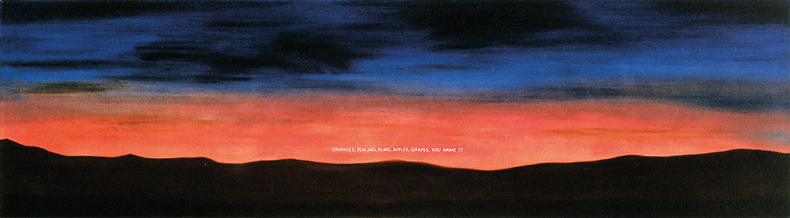
Oranges, Peaches, Pears, Apples, Grapes, You Name It (1977), Ed Ruscha. Courtesy Gagosian/the artist; © Ed Ruscha

In the cultural history of Los Angeles, it’s an indelible scene: the 19-year-old Edward Ruscha and his friend, the musician Mason Williams, tearing down Route 66 in a customised Ford from Oklahoma to Los Angeles. Ruscha’s arrival in 1956 in the still-young city and his excitement at its signs and buildings, its colours and its surfaces, inflected most of his art over the coming decades. Even if his enthusiasm is sometimes tempered by unease, or a wry quizzicality, Ruscha is generally considered the artist-laureate of Los Angeles.

Read the rest of this entry »

Faith Ringgold

American People Series #20: Die (1967), Faith Ringgold. Museum of Modern Art, New York. © Faith Ringgold

When the Museum of Modern Art in New York reinstalled its collection in 2019, amid widespread critical acclaim for the institution’s revisionist canon, one pairing in particular hit the headlines: Faith Ringgold’s American People Series #20: Die (1967) hanging next to Pablo Picasso’s Les Demoiselles d’Avignon (1907).

Read the rest of this entry »

Betye Saar

1969_SAAR_Black-Girls-Window

Black Girl’s Window (1969), Betye Saar. Photo: Rob Gerhardt/The Museum of Modern Art, New York; courtesy the artist and Roberts Projects, Los Angeles; © Betye Saar 2019

Betye Saar greets me, complaining. ‘I woke up in pain, so I’m grumpy today,’ says the artist, who will turn 93 a few days after we meet in late July. Recently she’s had to do so many ‘silly interviews’, she says, she has been left with no time to work. I’m not offended – it’s an understandable grievance. This year, when she might have hoped to enjoy some quiet time in her studio, or to tend her splendid hillside garden in Laurel Canyon, Los Angeles, she has instead been obliged to prepare for major solo exhibitions at the Los Angeles County Museum of Art (until 5 April 2020) and at MoMA in New York (until 4 January 2020). On 2 November she will be honoured at LACMA’s annual Art+Film Gala, a calendar highlight for Los Angeles’ cultured elite. Read the rest of this entry »