Jonathan Griffin

Criticism and essays on art and culture

Category: Uncategorized

Depression

François Ghebaly Gallery, Los Angeles
depression_web

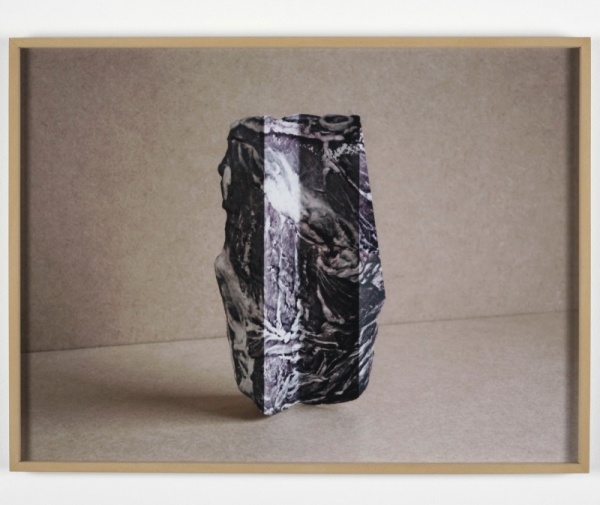
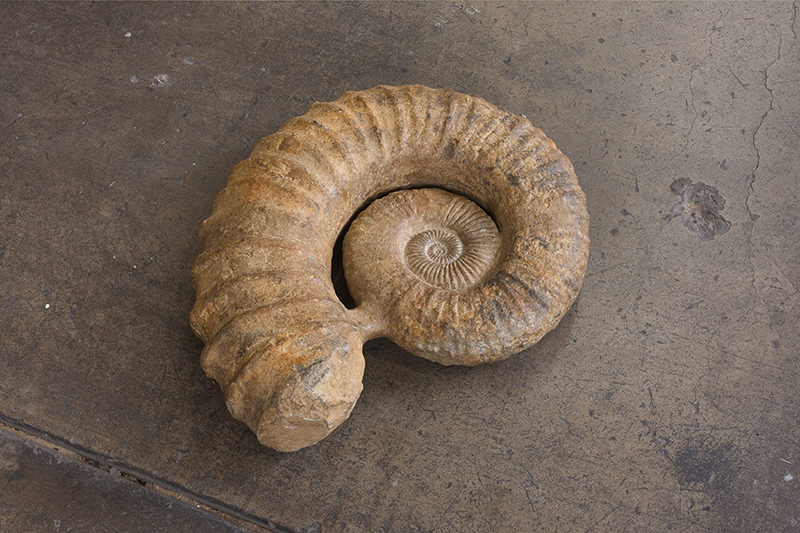
Here’s a good one: a New York gallery comes to Los Angeles to do an exhibition of its artists in a colleague’s space. The exhibition opens a week before the home-coming leg of Mike Kelley’s touring retrospective, installed at the Museum of Contemporary Art, two years after the revered artist’s suicide. What do the New Yorkers title their show? ‘Depression’. Read the rest of this entry »

Aaron Curry

CAPC_LA_062014_photo_Arthur_Pequin_MG_8971-1024x682

When Alexander Calder began making monumental steel ‘stabiles’ in the late 1950s, he developed a distinctive technique for signing them: a welded ‘AC’, applied to the face of the sheet metal. For Calder, it was a logo of sorts, and an integral part of the sculpture: a reminder that these complicated constructions originated in drawing – from one man’s hand. Read the rest of this entry »

Sara Barker

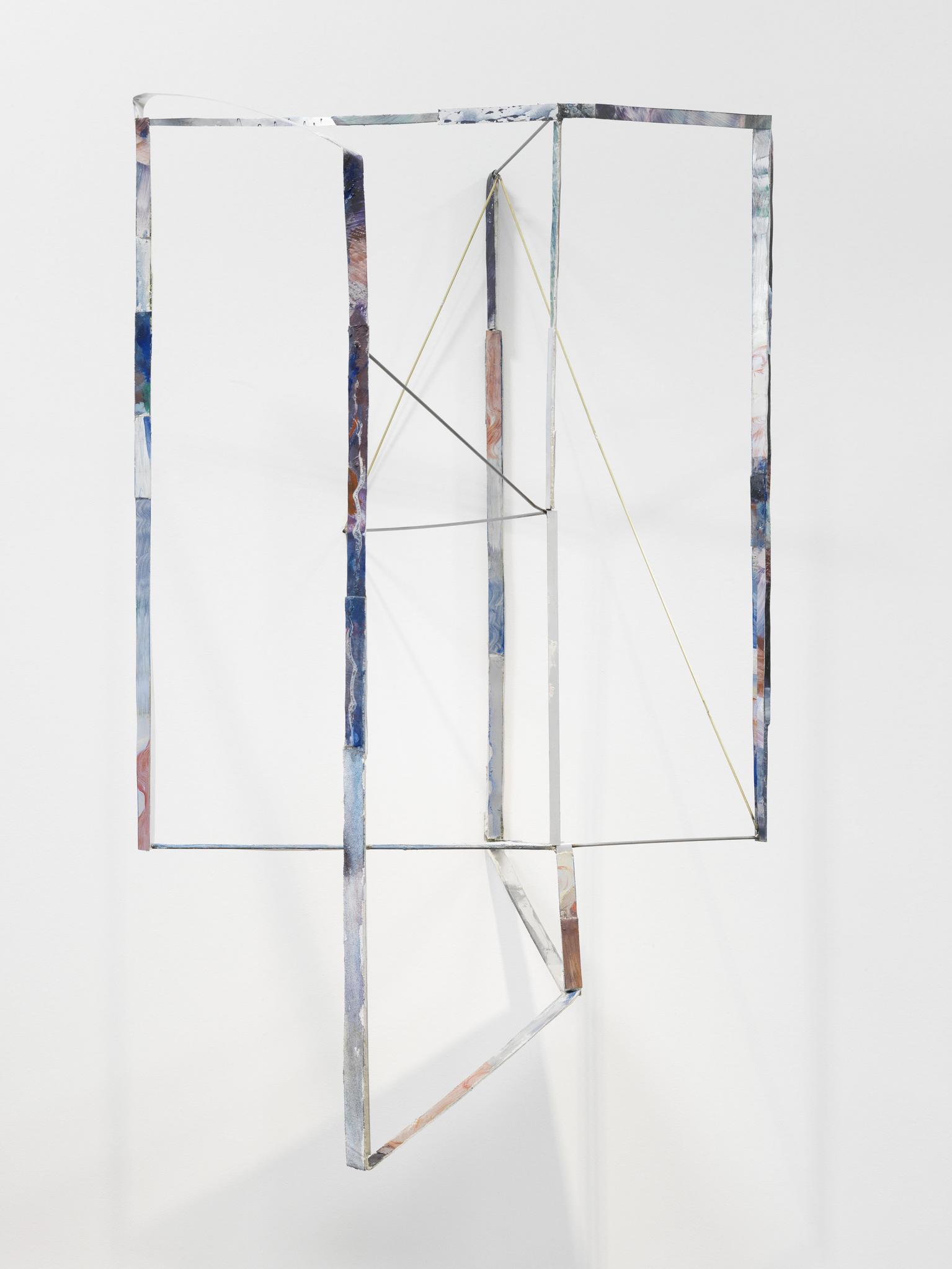
The things that Sara Barker makes are less like sculptures than spatial drawings. Maybe, in fact, they’re not so much drawings as paintings – surfaces for colour and brush-marks, scraps of collage and daubs of textured filler. Then again, in their emphatically three-dimensional assumption of volume, perhaps they really are more like sculptures than paintings. Read the rest of this entry »

Physica Sacra

While doing research for my forthcoming book Itinera Alpina (a collaboration with Ben Branagan – watch this space) I came across an image that stopped me in my tracks. It was an 18th-century engraving, showing a massive veiny liver apparently floating over a bucolic pastoral landscape, bordered by an elaborate Rococo frame. I found it reproduced in a book (in German) about 18th-century Zurich. Neither Ben nor I had any idea how or why such an image would come into being, or what it meant, but we were captivated by its weirdness, and it became an inspirational touchstone as we put together our book. Read the rest of this entry »

Nick Evans

Where, in Nick Evans’ art, does the soul reside? It’s an odd question to ask of sculptures on plinths, but the heart of Evans’ beguiling work is strangely absent – that is to say, it is not where we might ordinarily expect to find it.

Read the rest of this entry »

Bella Pacifica: Bay Area Abstraction 1946–1963

Jerry Burchard, Jay DeFeo (1958) Collection SFMOMA

Between 1946 and 1952, the proportion of students at California’s five most important art schools who had served in the military was never less than 70 percent, and frequently more than 80. Most of these enrolled with assistance from the GI Bill, the monumental piece of post-war legislation that swelled the ranks of liberal arts courses across the United States with mature, motivated and philosophically reflective men and women, alive to the preciousness of their personal freedoms.

Read the rest of this entry »

Annika Ström

Personal Delivery

Annika Strom in performance, CAAC Seville, 2011

Guitar slung low, legs spread wide apart, neck craning up towards the microphone, the young man screws his features into an expression that looks like something between grief and sexual ecstasy. He sings:

‘I – will be – the one – to turn you on!

On the bed

I – will be – the one – tonight.’

Between the assembled bar crowd and the shallow, six-inch high stage, in front of clusters of people clutching bottles of beer and raising their voices to the ears of their friends, in front of other people who stare expressionlessly at the singer, surrounded by movement and noise, stands the singer’s mother, holding a video camera which she points at her son for the whole duration of his performance.

No one seems to find this strange, or embarrassing, or worthy of comment.

Read the rest of this entry »

Michael Dean

Hardness can be deceiving. Despite its reputation for intransigence, concrete is a uniquely subtle, delicate material. The surface of any motorway flyover, housing block or city pavement reveals a spectrum of patinas through which it absorbs and reflects its surroundings. Metal fixings soak rusty stains into their concrete bases; shoes and rubber tyres apply patient layers of dirt and oil onto walkways and roads, and rainwater causes streaks of discolouration (or sometimes just colouration) to develop across walls.

Read the rest of this entry »

A Different Country

On Gerard Byrne’s ongoing series of photographs Images and Shadows of Divine Things (2005 –)

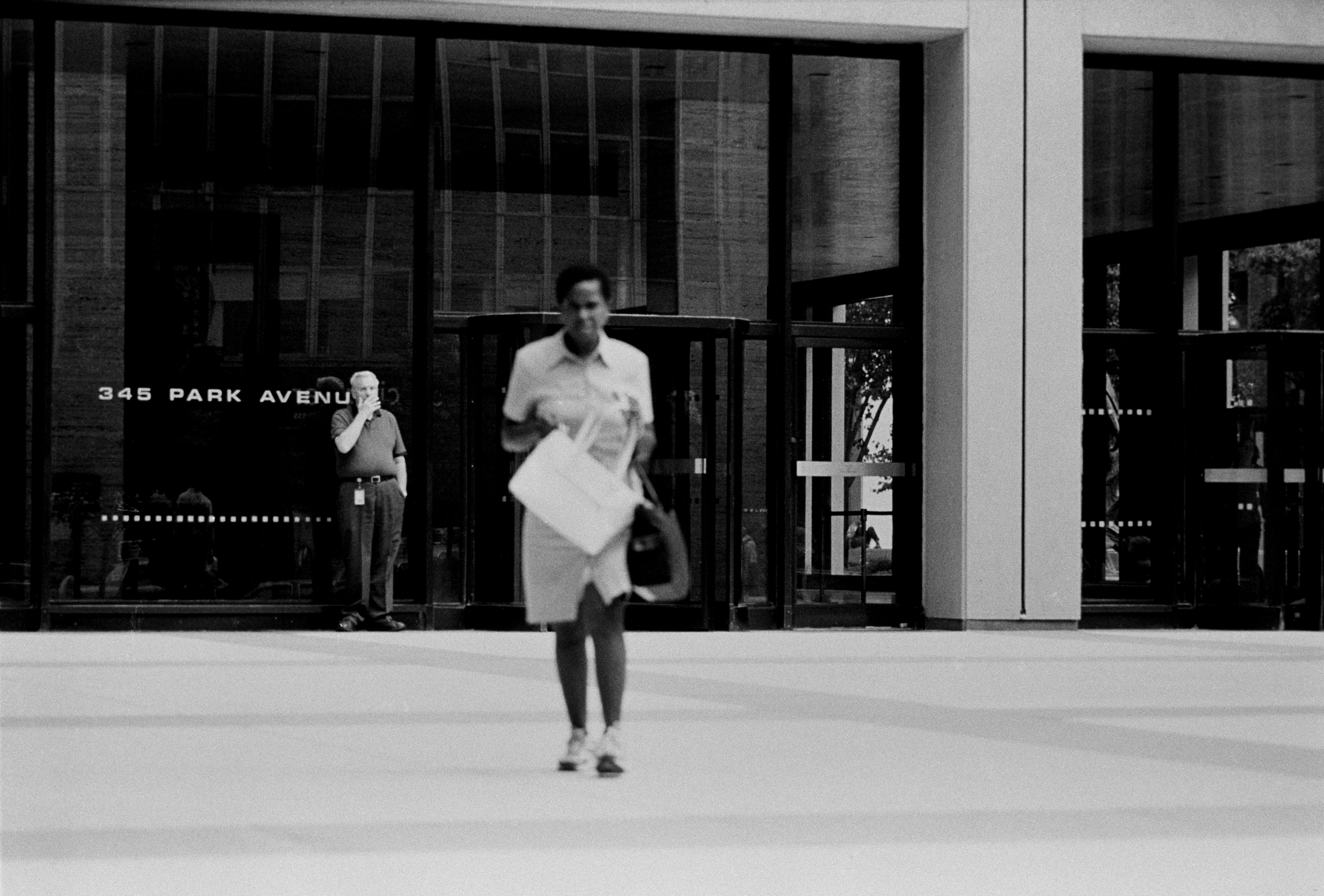
It is so dry here. Things never disappear, never rot, are not washed into storm drains or blown into gutters. Sometimes it feels like the moon, where a flag unfurled four decades ago still hangs in the vacuum. The pale stone facing on these walls remains unstained, pristine. Chrome does not rust. Rubber does not perish. Paint does not peel from timber.

There is no weather. The cold and the heat are the same, indifferent to us and equally tolerable. Only wind and moisture could dramatise the atmosphere, and allow us to feel the air on our skin. We have neither.

Read the rest of this entry »